
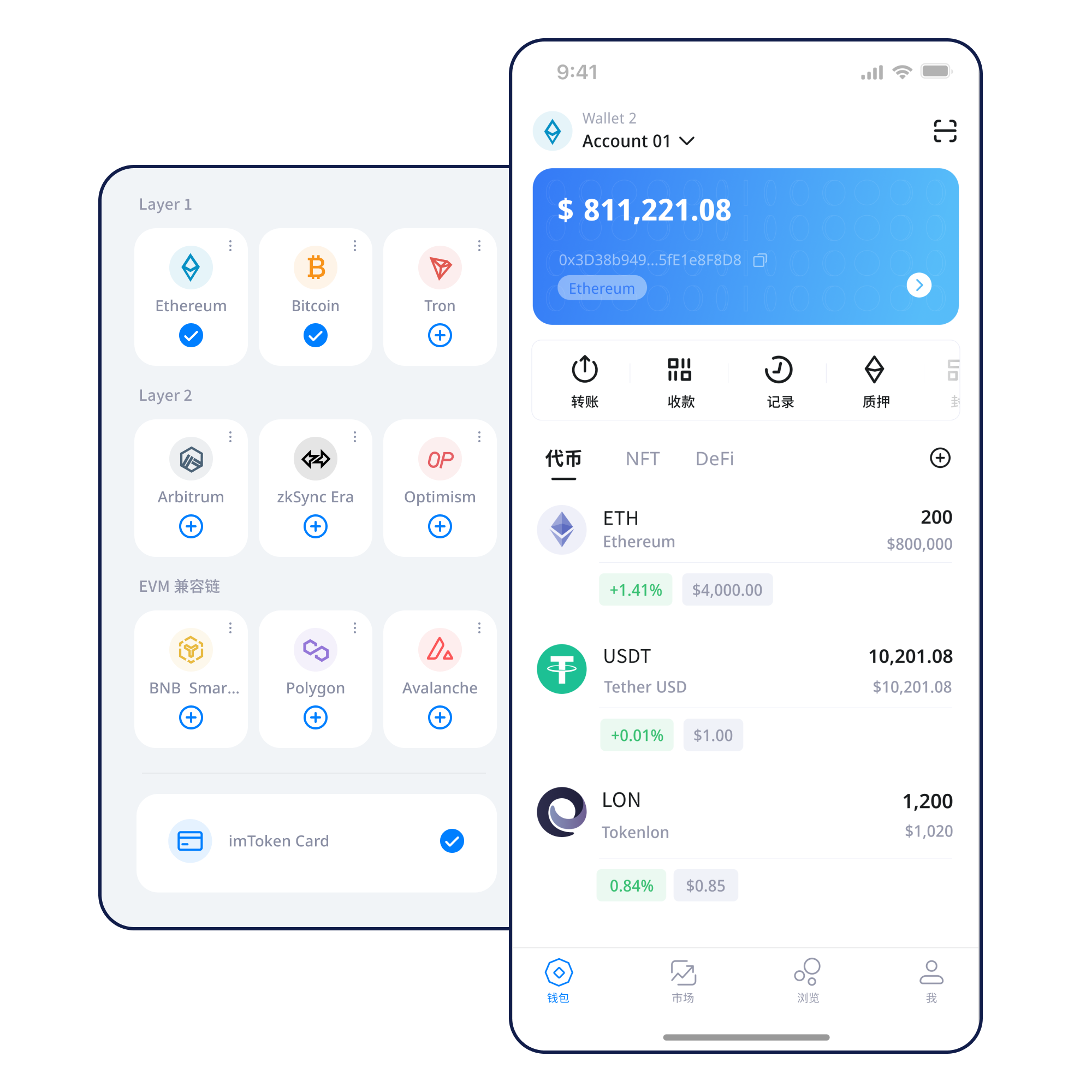
Establish the right context: multi-chain assets
multi-chain assets is easy to misunderstand when context is missing. The account, accounts and addresses, and the intended action should agree before a familiar interface is treated as meaningful evidence.
If an interface mixes several layers of information, check multi-chain assets, accounts and addresses, and network choice separately. Names, icons, and familiar layouts are presentation details, not substitutes for the actual network, address, contract, or on-chain state. When the evidence conflicts, fewer new actions usually make troubleshooting easier.
Verification continues after submission. Keep public evidence related to multi-chain assets and use accounts and addresses to review status when necessary. On-chain transactions generally cannot be reversed by a wallet provider alone, and third-party DApps or contracts can carry their own risks, so blind resubmission is a poor troubleshooting method.
Understand how it works in practice: accounts and addresses
How accounts and addresses, network choice, and transaction history relate in practice
Within Wallet & Assets, accounts and addresses is not an isolated term; it affects network choice and the on-chain result a user eventually sees.
For Wallet & Assets, a repeatable verification habit is more durable than memorizing where a button appears. Check accounts and addresses, then network choice, and finally transaction history. Interfaces can change and network conditions can move, while the reasoning behind those checks remains useful.
The purpose of learning Wallet & Assets is to understand the action rather than mechanically complete it. Whenever accounts and addresses, network choice, or the expected result cannot be explained, preserve the option to decline, exit, or verify again later.
- Confirm the real object behind accounts and addresses
- Check the network or permission scope for network choice
- Use transaction history or another public record to verify the result
- Never share a seed phrase, private key or verification code
Review the action step by step: network choice
When using Wallet & Assets, first identify whether the current object is an account, asset, network, transaction or permission. Then relate network choice to transaction history instead of reading either label alone.
A useful review order is source, object, request, and result. The source establishes where the action came from, network choice identifies the object, and transaction history clarifies the scope. After submission, keep a transaction hash or other public record so that changing status can be checked again without relying on one interface message.
Over time, revisit network choice and transaction history, remove connections or permissions that are no longer needed, and keep the device and browser environment trustworthy. Security is not an absolute promise; it is a process of reducing secret exposure, mistaken approvals, and avoidable uncertainty.
Recognize common mistakes and risks: transaction history
How transaction history, token contracts, and multi-chain assets relate in practice
When a request involves transaction history, slow the decision down enough to identify what it changes, which network it relies on, and whether token contracts can be independently verified.
Do not treat “already connected,” “used before,” or “looks familiar” as sufficient evidence. Review transaction history for the actual object, token contracts for the transaction or permission boundary, and multi-chain assets for the resulting state. If one step remains unclear, declining is a valid outcome.
Keep the security boundary explicit: the user controls the seed phrase and private keys, and imtoken will never ask for them. If a third party links transaction history to a request for recovery secrets or verification codes, stop. When token contracts is involved, also verify the address, network, amount or permission scope.
- Confirm the real object behind transaction history
- Check the network or permission scope for token contracts
- Use multi-chain assets or another public record to verify the result
- Never share a seed phrase, private key or verification code
Build a repeatable verification habit: token contracts
A practical way to approach token contracts is to place it inside a real task and start with multi-chain assets.
The same term can behave differently across networks or DApps, so token contracts should always be interpreted in context. multi-chain assets provides a second verification angle, while accounts and addresses helps confirm what actually happened afterward. Network-specific rules should be checked against trustworthy information for that network.
If a result differs from expectations, record token contracts, multi-chain assets, and other non-secret evidence, then reconstruct the sequence of actions. Never send recovery secrets to someone offering to “restore” or “verify” an account, and avoid untrusted remote-control software.
Operation and security checklist
- Confirm the real context for multi-chain assets
- Check accounts and addresses against the current network
- Understand the result created by network choice
- Verify address, network and amount before a transfer
- Review signatures and approvals individually
- Never share a seed phrase, private key or verification code